



How Much Protein Do You Actually Need? (Skip the Guesswork)
Forget the number printed on the tub. Your protein target is tied to your bodyweight and your goal — not to the brand's scoop size. Here's how to set it in thirty seconds.
01 The number that matters
For building or maintaining muscle, the research lands around 1.6–2.2 g of protein per kg of bodyweight, per day. Sedentary? Sit at the low end. Cutting fat while protecting muscle? Push toward the top — protein guards lean mass in a deficit.
| Bodyweight | Sedentary | Training | Cutting |
|---|---|---|---|
| 55 kg | 88 g | 105 g | 121 g |
| 70 kg | 112 g | 133 g | 154 g |
| 85 kg | 136 g | 162 g | 187 g |
02 Timing matters less than you think
The old "30 g per meal max" and "anabolic window" rules have been heavily walked back. What moves the needle is hitting your total for the day. Spreading it across 3–4 meals of 30–40 g helps with fullness, but missing the post-workout shake by an hour won't undo your session.
Daily total is the boss. Meal timing is just a helpful assistant.
03 The vegetarian reality
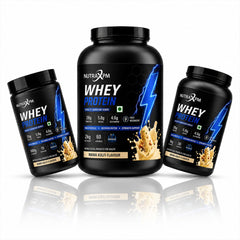
Dal, paneer, curd and legumes are solid — but volume-heavy. Hitting 130 g+ from food alone means eating a lot. This is exactly where a scoop quietly closes a 40–50 g gap without three extra meals.
Gut-check: training hard but recovery and growth have stalled? Audit protein first — before you touch anything fancier.
The 30-second setup
- Multiply bodyweight (kg) by 1.6–2.2.
- Split across 3–4 meals of 30–40 g.
- Use a scoop to close the gap, not replace meals.
- Total beats timing. Always.
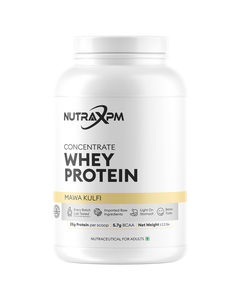
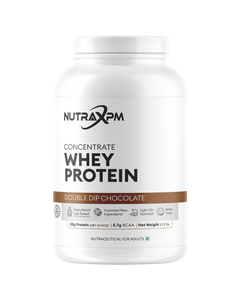
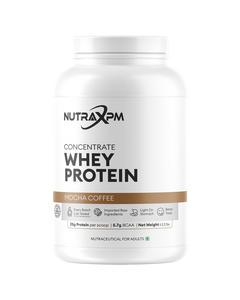
One scoop. 24g protein. Done.
Shop protein


